


The teenage years bring about lots of physical and emotional changes for both teens and their parents. It can feel like a bit of a roller coaster at times. Some of the more obvious changes, such as changes to the skin, can seem daunting at first, as it can be difficult to know how to address them.
So, let’s talk about it!
I’m a senior dermal therapist with almost 10 years of experience, as well as a cosmetic registered nurse. Over the years, I’ve had many conversations with teens – and sometimes their parents too – in clinic when they come in for a consultation to talk about all things skincare. And that’s the first step: learning and seeking education! But that’s not always feasible for teens and their families, so let’s cover some of the most important points.

There are several factors that can contribute to skin changes, particularly breakouts in teenagers.
Hormonal changes are a major catalyst and unfortunately, they’re often out of our control. Genetics can also play a strong role in the likelihood of a teen experiencing breakouts. Other factors that can contribute include stress, which is common during these years due to societal pressures within friendship groups, academic related events such as exams, and the overall influx of hormones.
Diet and water intake are also important considerations. Where possible, aim to minimise highly processed foods and ensure teens drink enough water throughout the day (at least 2L).
Facial hygiene and everyday habits shouldn’t be overlooked either. Regularly washing pillowcases, hats and caps, removing makeup properly, washing makeup brushes and sponges regularly, and avoiding sleeping in makeup can all help support healthier skin.
A common mistake people make when putting together a daily skincare routine for teens is overcomplicating things.
Less is more — keep it simple!
Start with a cleanser, moisturiser and potentially an SPF (we’ll touch on that in a moment).
Try to establish a simple three-step routine both morning and evening. If both routines can’t be achieved, the evening routine should be prioritised as teens want to ensure they’re washing away the day and removing the makeup, sunscreen, sweat and environmental pollutants they’ve been exposed to throughout the day.
Focus on products that help to hydrate, soothe and nourish youthful skin. Teen skin can actually be quite sensitive, particularly when breakouts and irritation are present.
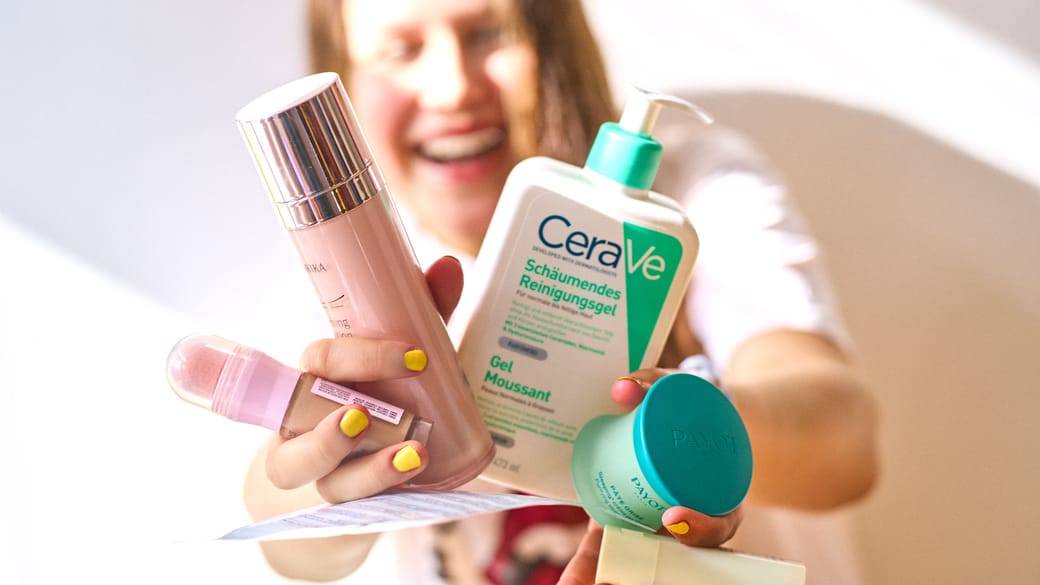
Two of my top recommended cleansers are CeraVe Hydrating Cleanser and Skinstitut Gentle Cleanser.
They are formulated to cleanse without clogging the pores and can help prevent buildup associated with sebaceous filament and blackheads. They also contain ingredients that help calm and support the skin, which is particularly important when the skin is feeling irritated or inflamed from breakouts.
Pairing a cleanser with its corresponding moisturiser from the same range can also be a great option.
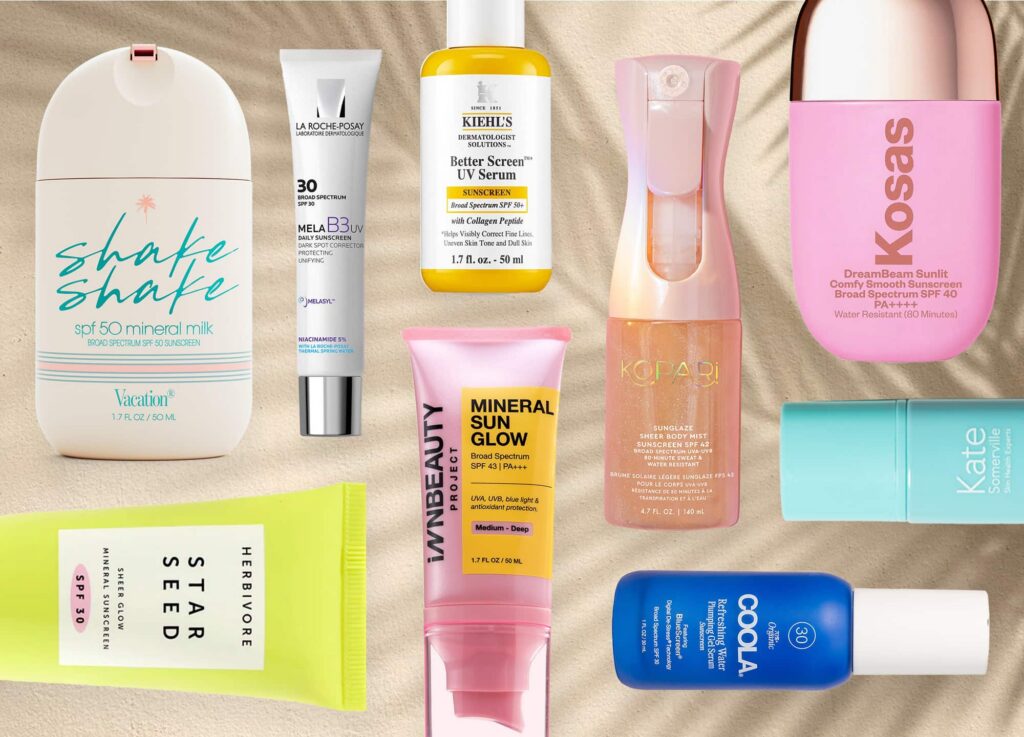
Yes, sun protection is important, but work up to it.
Focus on establishing the basics of cleansing and moisturising first, then find an SPF that feels comfortable and isn’t too heavy or oily on the skin.
Over the years, I’ve found that SPF is definitely not a one-size-fits-all product. If possible, try to get samples or use testers in clinics to see how a product feels and sits on your skin before committing to it.
Avoid products that are heavily fragranced, particularly if you have sensitive skin. I’d also recommend being cautious with strong active ingredients such as Vitamin A (retinol), Vitamin C and stronger AHA/BHA products. These ingredients can be too harsh for youthful or sensitive skin. For example, Vitamin A can increase sun sensitivity and cause irritation if products containing this ingredient aren’t used correctly. AHA and BHAs definitely have an important role to play in skincare products and routines, but they may not be necessary at this stage. It’s essential to understand how these acids work and what they’re actually designed to help treat. Many products are marketed towards acne and blemish control but contain these stronger acids. When overused or introduced too suddenly, these can strip and irritate the skin and compromise the skin barrier, which can open a whole new can of worms. If you’re considering a cleanser containing acids for your teen or they express their interest in a product like this, try seek advice from a dermal therapist so you understand how and when to incorporate these ingredients into the routine.
Avoid over-exfoliating! Another common mistake and one that isn’t limited to teens as it gives that tight, squeaky-clean feeling and shiny appearance. But in reality, over-exfoliating can strip the skin of its natural oils and compromise the skin barrier. This can contribute to irritation and may encourage the skin to produce more oil as it thinks it’s a dry skin type as it’s been stripped, potentially leading to further congestion and breakouts. It can become a vicious cycle, so it’s definitely something you want to avoid. If exfoliation is required for your teens skin, once or twice a week maximum may be enough.
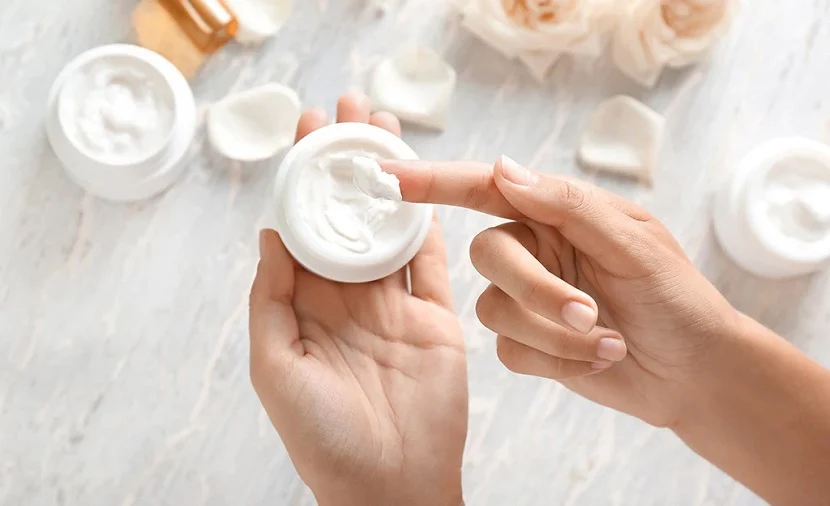
Not moisturising: A lot of teens avoid moisturising because they feel it will make their skin more oily or lead to more breakouts. But this isn’t necessarily how it works. It’s all about nourishing and hydrating the skin, particularly after cleansing. Finding a lightweight moisturiser that feels comfortable on the skin while providing the hydration and nourishment it needs can make all the difference.
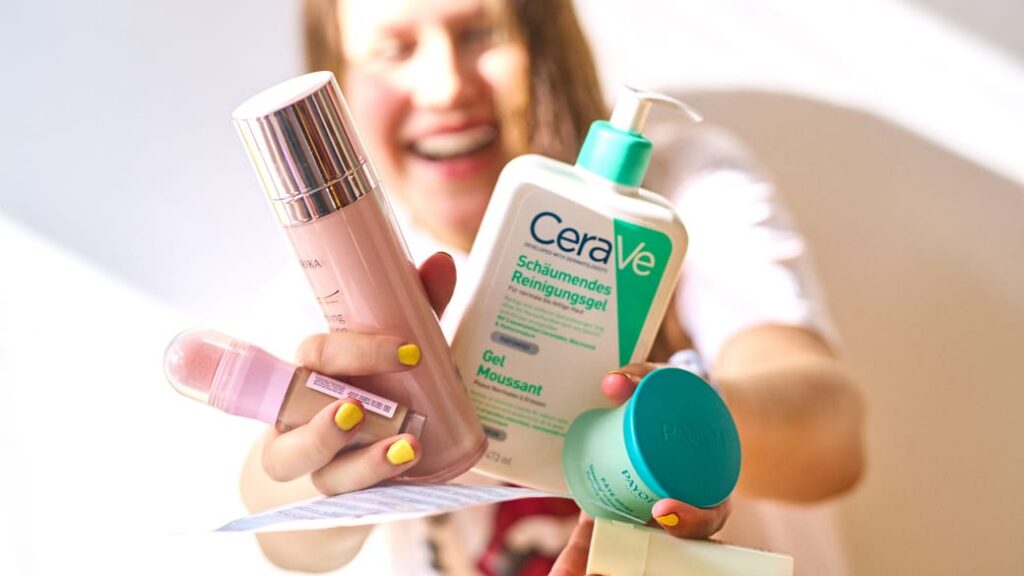
It might seem like a lot of information to take in, but remember: keep it simple!
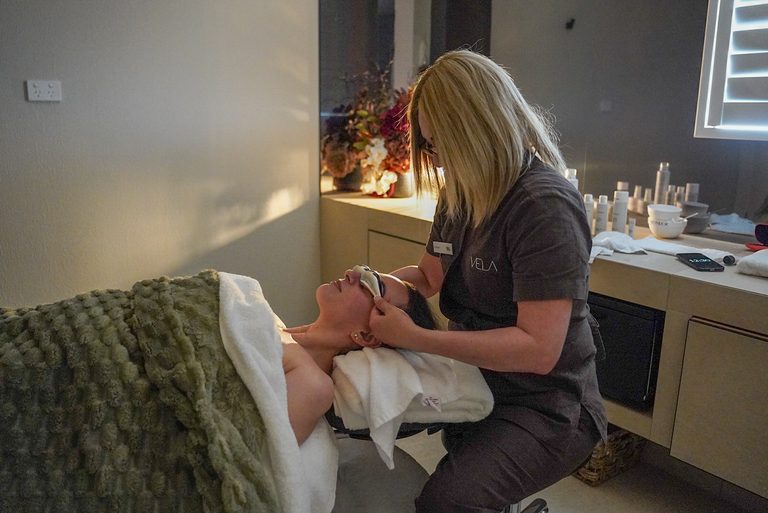
I always recommend booking a face-to-face consultation in clinic where possible so that a thorough consultation can be conducted. The therapist can ask questions to gain some background information, while both your teen and you can ask questions and learn more about what the skin needs.
It’s also a great opportunity to try products on the skin and see how they feel before purchasing them.
Many clinics offer complimentary consultations, so definitely give your local clinic a call or have a look at their website to see what they offer.
Good luck, and good on you for taking this step to support your teen through these years and on their skincare journey!
Written by Laura Corben (RN, BSN, Senior Dermal Therapist)
For more to do in Western Sydney, please visit our Things To Do tab!
Connect with our platforms below:


Welcome to Western Sydney Mums
Stay connected and discover what’s on in Western Sydney. Fantastic events, new eats and so much to do for the whole family.
Sign up to our exclusive VIP list, delivered straight to your inbox every fortnight.